
Guests never experience your strategy. They simply experience how it feels.
Over the course of my career, I have been fortunate to work with some of the world’s most respected hospitality brands. Different countries, different cultures, different owners and entirely different philosophies. Some were creating something new; others were building on decades of history. Each had its own ambitions, challenges and personality. Yet one observation has stayed with me throughout. The hotels I admire most are not necessarily those with the grandest architecture, the most celebrated restaurants or the highest levels of investment. They are the ones where everything simply belongs.
Spend time at Aman and then at Airelles and, on the surface, they could hardly be more different. One is defined by restraint, tranquillity and an almost monastic sense of calm; the other by warmth, generosity and the romance of French hospitality. Their architecture, service style and personality are entirely distinct. Yet despite these very different expressions of luxury, both leave you with exactly the same feeling. Nothing feels accidental. Every element seems to have found its rightful place.
What strikes me is not their consistency. It is their clarity.
Neither brand achieves this by making every property the same. Quite the opposite. Each destination has its own identity, shaped by its landscape, history and culture. Yet the architecture, the pace of service, the restaurants, the wellness offering, the language, the uniforms and the countless rituals of hospitality all feel as though they belong to the same story. Individually they are simply thoughtful decisions. Collectively they create something much more powerful: a feeling.
Over the years, I have come to realise that this feeling is remarkably difficult to create. It is rarely the result of one defining decision or a single moment of brilliance. Instead, it is built patiently through hundreds of conversations and thousands of choices, many of which guests will never notice. The location of a restaurant. The wording of a welcome. The pace of an arrival. The decision to introduce a new ritual – or not to. None of these moments defines a hotel on its own. Together, they define how it feels.
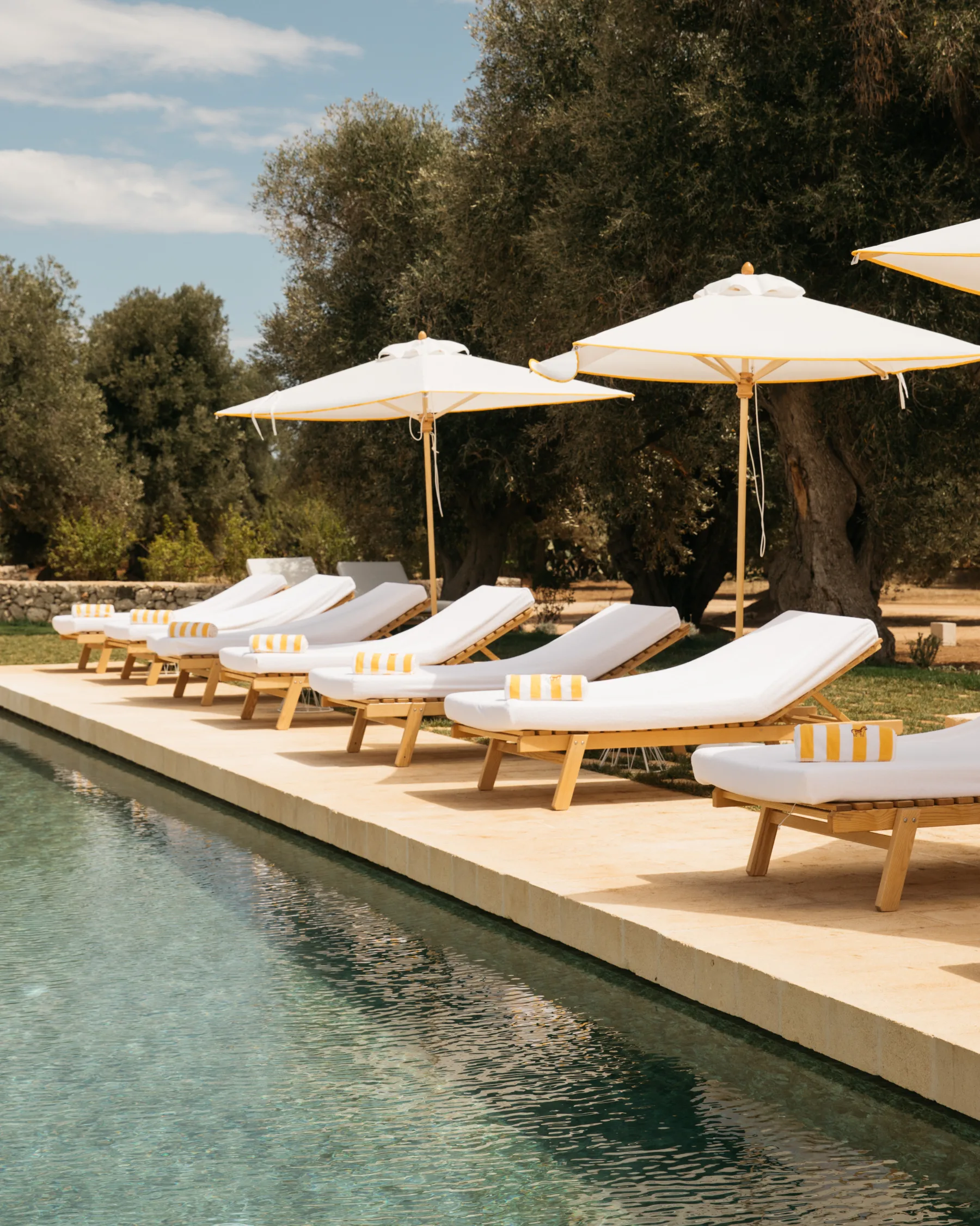
Guests would probably struggle to describe the vision behind either brand. Nor should they. They are unlikely to talk about positioning, operating models or strategy. Instead, they remember how the place made them feel. They remember a welcome that felt genuine rather than rehearsed, spaces that seemed to sit naturally within their surroundings, restaurants that could exist nowhere else and service that anticipated rather than responded. They are not experiencing the strategy itself. They are experiencing the clarity of it.
That clarity begins long before the guest arrives. Somewhere, someone has asked hundreds of questions. Does this belong? Does it strengthen the experience? Is it true to who we are? Those questions do not disappear once the hotel opens. They continue when recruiting a new colleague, introducing a new restaurant, refining a wellness programme or deciding how to welcome a returning guest. Over time, those individual decisions become almost invisible. Guests never notice them. They simply notice how everything feels connected.
This, I believe, is where many hospitality businesses quietly lose their way. Not because the design is uninspiring or the service is poor, but because decisions gradually drift away from the original intention. An exceptional arrival is followed by an ordinary breakfast. A hotel deeply rooted in its destination offers experiences that could exist anywhere in the world. A compelling concept is slowly diluted by a series of perfectly reasonable compromises. None of these decisions is significant on its own, yet together they introduce small contradictions. Guests rarely identify them consciously. They simply leave with the feeling that something did not quite connect.
We often talk about consistency in hospitality, but I have come to believe that consistency is simply the outcome, not the objective. The brands that leave the deepest impression are not consistent because they rely on rigid standards or detailed manuals. They are consistent because they possess extraordinary clarity. Everyone involved understands what the hotel is trying to become, and thousands of decisions, made by hundreds of different people over many years, continue to reinforce the same idea. Consistency is simply what clarity looks like in practice.
As our industry continues to evolve, we rightly spend time discussing technology, wellness, sustainability and changing guest expectations. These are important conversations, and they will continue to shape the future of hospitality. Yet I sometimes wonder whether the greatest competitive advantage remains something much simpler.
Clarity.
Perhaps that is what exceptional hospitality leaves behind. The feeling that, for a brief moment, everything belonged.