
A strong market can create demand. It cannot decide which hotels deserve it.
I recently joined the panel for the Cornell Hotel Society’s inaugural London Lodging Outlook. London continues to be one of the world’s great hotel markets, maintaining occupancy at around 80% despite absorbing significant new supply. But one figure from STR stayed with me: the rate premium between luxury hotels and the tier below has grown from around 95% in 2019 to 119% today.
That number tells us something occupancy alone cannot. While occupancy speaks to the strength of London as a destination, the growing premium tells us something about what guests are prepared to pay for the very best hotels. It also raises the stakes. The question is no longer whether London can absorb more luxury hotels. It’s whether each one can continue to justify its place, and its rate.
London may not be oversupplied. But it is becoming unforgiving of hotels that are merely good.
There is an important distinction here. A strong market can disguise a hotel that has stopped giving people a particular reason to choose it. When demand is plentiful, it is easy to mistake market strength for brand strength. When rates are rising, it is easy to mistake pricing power for loyalty. And when a hotel is full, it is tempting to assume that guests have chosen it for reasons that will continue to matter tomorrow. Competition has a useful way of exposing the difference.
For established hotels, the arrival of new competition should create a healthy degree of discomfort. A new hotel gives guests another choice, but it also gives existing hotels a reason to look again at themselves. Things that have become familiar can suddenly look tired. Assumptions that have gone unquestioned are challenged. Experiences that were once distinctive may no longer be. That is ultimately good for the guest. The remarkable wave of new luxury hotels in London has not simply added rooms; it has raised expectations of what a luxury hotel can be. Established hotels have had to respond, and many have done so brilliantly.
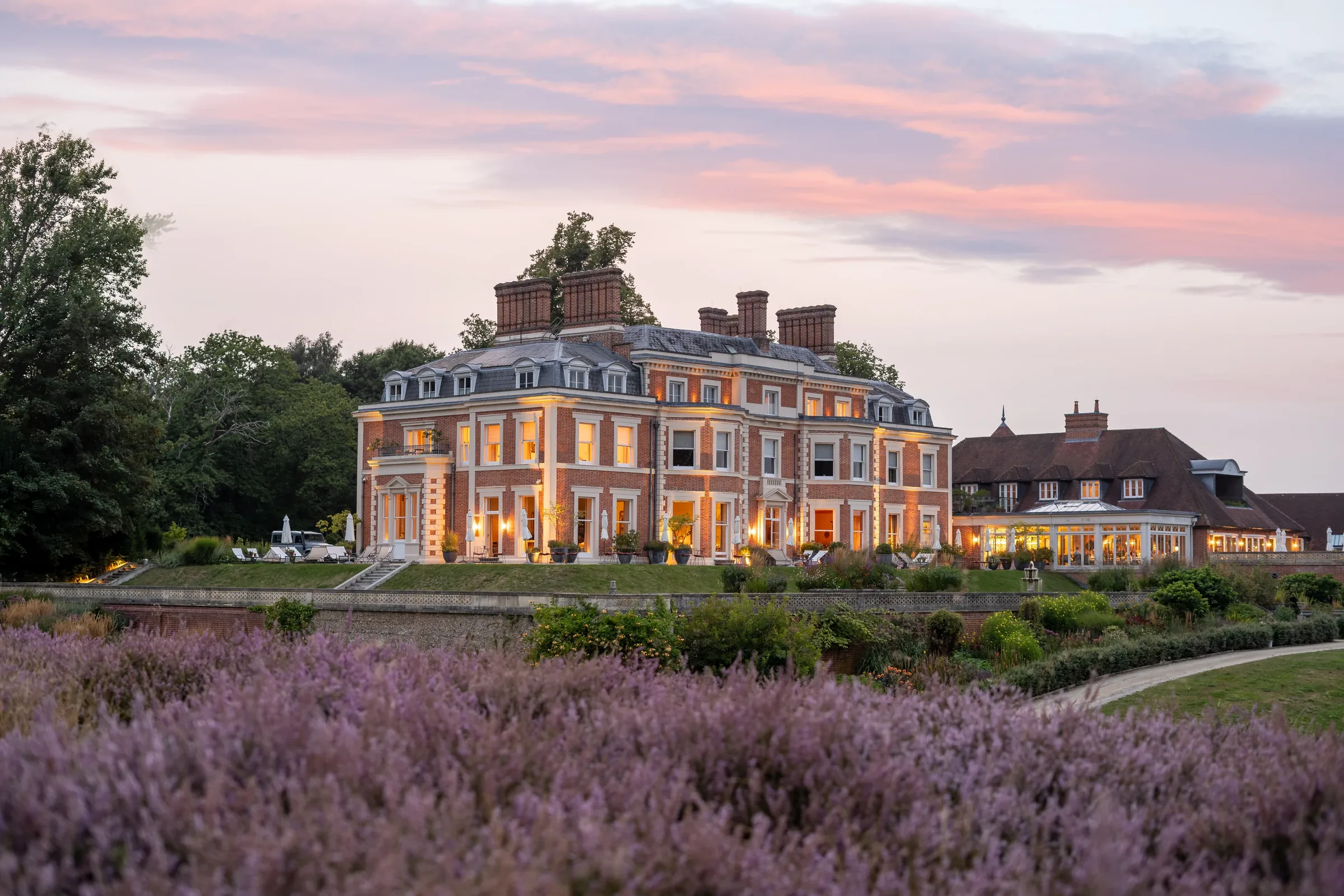
For new hotels, however, there is a different challenge. Significant investment, beautiful design and the excitement of an opening can create immediate attention. In a strong market, occupancy can build relatively quickly, and an ambitious rate can establish a position. Reputation takes longer. For a new luxury hotel, reputation takes longer to build than occupancy and rate and ultimately determines how sustainable both will be. It is accumulated one stay at a time, in the difference between a guest wanting to experience the new hotel once and choosing to return when there are many other compelling places they could stay.
This is why I find the growing luxury premium so interesting. A premium is not simply something a hotel charges; it is a promise it makes. And the greater the premium, the greater the promise. Increasingly, that promise cannot be fulfilled by the physical product alone. The quality of design and investment entering the London market is remarkable. At the top end, beautiful rooms, ambitious restaurants and sophisticated technology are table stakes. They no longer guarantee distinction. What is harder to replicate is how a place makes someone feel.
And that brings us to people. We spend a great deal of time discussing the hotel pipeline, but I wonder whether the more significant constraint on the growth of luxury hospitality is not rooms at all. It is the number of people capable of delivering the experiences those rooms increasingly promise.
Every new luxury hotel requires hundreds of team members. Not simply people to fill positions, but people capable of delivering increasingly sophisticated experiences with warmth, confidence, judgement and emotional intelligence. The obvious source of experienced luxury talent is another luxury hotel. If every new opening recruits its team from the hotels already operating around it, we are not really solving the talent shortage. We are circulating it.
Buildings can be financed and constructed relatively quickly. Developing an exceptional receptionist, housekeeper, waiter, concierge, butler or department head takes much longer. Hospitality is a craft learned through exposure: to different guests, different departments, difficult situations, different cultures and different ways of working. Over time, those experiences create something that is difficult to teach in a classroom or capture in a standard operating procedure. They create judgement.
Looking back, I think some of the most valuable experiences in my own career were not necessarily those that moved me upwards, but those that broadened my understanding of how a hotel works. Different roles, different properties and different cultures create a library of situations to draw upon later. You learn when to speak and when not to, when someone wants theatre and when they simply want efficiency, when a problem requires a process and when it requires a human response. If I were advising someone beginning a career in hospitality today, I would encourage them not to specialise too quickly. Breadth builds judgement.

That matters even more as technology becomes more sophisticated. One of the discussions at the Lodging Outlook was whether the enormous growth in guest data has actually resulted in better personalisation. It took me back to when I started in the industry as a butler at The St. Regis in New York. We kept guest preferences on index cards. There was nothing sophisticated about them: someone noticed something about a guest, wrote it down, and the next person could read it and, importantly, do something with it.
Today, those index cards have become sophisticated guest profiles and CRM systems capable of holding vastly more information. We know more about our guests than we ever have, yet I am not convinced the fundamental challenge has changed. The value was never really in the index card; it was in what happened next. Someone had to read it, understand its relevance and decide what to do with it. Knowing that a guest prefers a particular pillow is information; knowing whether to engage them in conversation when they arrive after an overnight flight is judgement. One can be stored in a system; the other requires an understanding of the person standing in front of you.
This is where I think AI could become genuinely interesting for hospitality. Its greatest contribution may not be allowing us to accumulate another 500 data points about a guest but helping us identify the two or three things a colleague needs to know at precisely the moment they can do something meaningful with them. Technology, at its best, should make hospitality less complicated for the person delivering it. It should surface what matters and leave that person with more capacity to notice, think and respond.
There is, of course, a much bigger question ahead. As AI becomes increasingly involved in where people travel, which hotels they discover and ultimately what they book, it may begin to reshape a customer relationship that hotels, brands and online travel agents have spent decades competing to own.
If AI becomes the guest’s travel agent, who owns the customer – the hotel, the brand, the OTA or the AI?
I suspect we will spend a great deal of time trying to answer that question. But perhaps hotels should remain equally focused on the part of the relationship they unquestionably own: the stay. Whatever happens before arrival, there remains a moment when the digital journey ends and the physical experience begins. A guest walks through a hotel door. Someone greets them, notices whether they are tired or excited, recognises whether they want conversation or privacy, remembers something they mentioned the previous evening, or sees a problem before it becomes a complaint. Technology may increasingly inform those moments, but it cannot make them meaningful on its own. They become hospitality through human judgement.

Perhaps this is why the London numbers stayed with me. Occupancy can tell us that the destination remains strong. Rate can tell us what guests are prepared to pay. A growing luxury premium can tell us that they are prepared to place an increasingly high value on the very best hotels. But none of those numbers can tell an individual hotel whether it will continue to be one of them.
That has to be earned repeatedly, through a clear identity, a distinctive experience and people who know how to bring both to life. For me, that is the more interesting outlook for London luxury hospitality: not whether the city can absorb another hotel or another thousand rooms, but which hotels will remain distinctive enough to be chosen, trusted enough to command their rate and sufficiently invested in their people to deliver an experience worthy of both.
Because ultimately, the guest does not experience the strength of the London market. They experience one hotel.
And that hotel still has to be worthy of the choice.