
There are places we travel to see, and places we travel to experience. And then there are places we travel to because, for a little while, we want to imagine living differently.
Italy seems to belong to that last category.
I have been working in Italy since 2020, on hospitality projects from Puglia and Tuscany to Venice, Milan, Genoa and Rome. From a small Masseria to a Venetian resort, a city hotel and a Milanese café. Different scales, different ambitions and very different expressions of hospitality. Yet one thought has stayed with me throughout: in Italy, the sense of place is already extraordinarily powerful.
I was reminded of this recently at the Luxury Hospitality Conference in Milan. The enthusiasm for the country was unmistakable. International luxury hotel brands want to be there. Historic buildings are being reconsidered, existing hotels reimagined and new concepts introduced. Investors and developers are discovering opportunities across a country whose appeal shows little sign of diminishing.
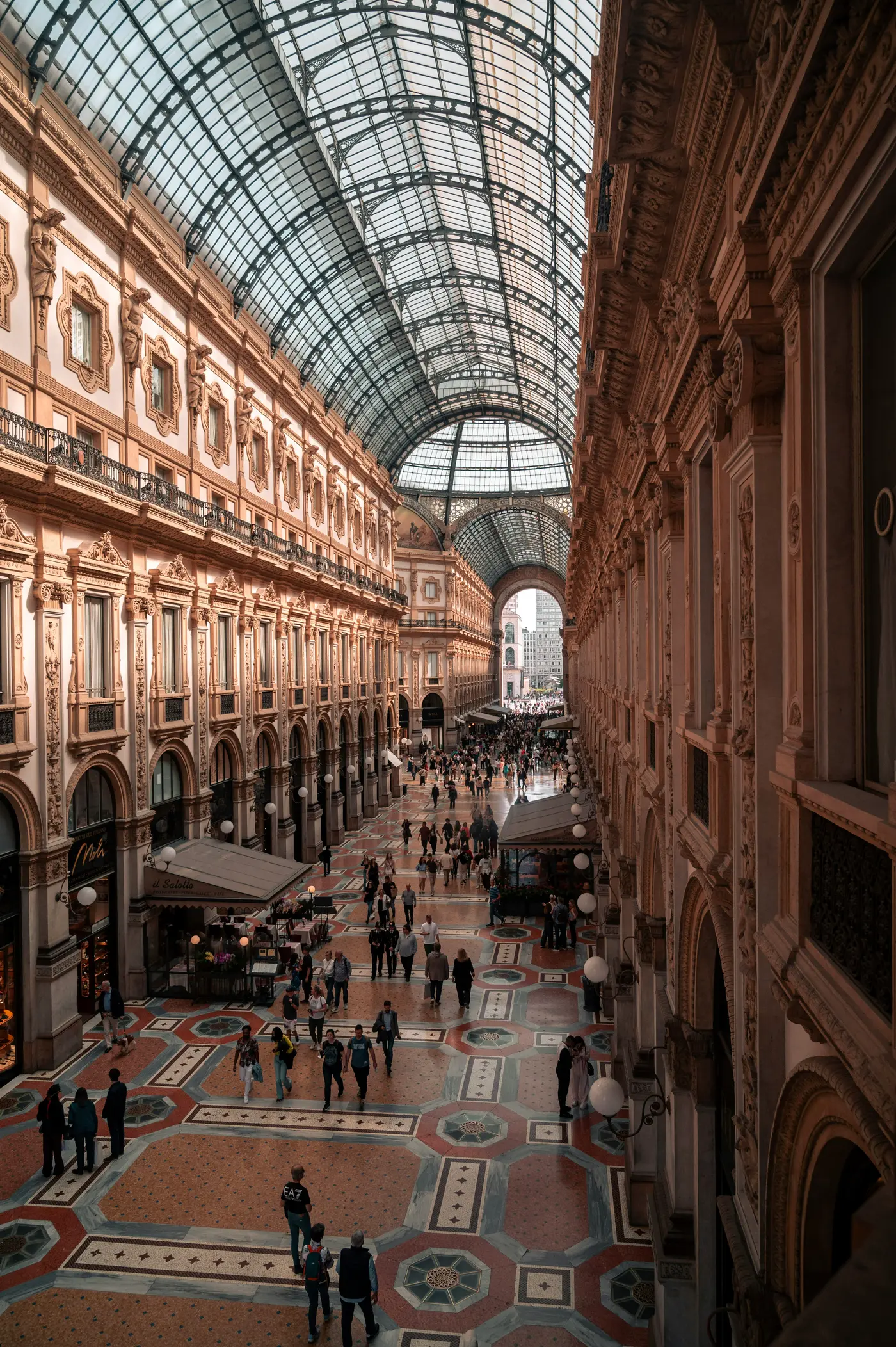
But as I listened to people discussing how to make Italy’s hotels more desirable, I kept coming back to one thought. Italy had already done much of the work for us.
Italy has an unusual ability to make both the ordinary and the extraordinary desirable. Think of the little Fiat 500, the Vespa and the Ferrari. Three entirely different ways of moving through the world, yet each unmistakably Italian. One practical and charming, another associated with freedom and spontaneity, the third with performance, craftsmanship and glamour. Together they express something that reaches far beyond the objects themselves: a particular attitude towards life.
The same is true of food. The morning espresso taken standing at the bar, the pleasure of a simple plate of pasta prepared beautifully, a long lunch that gives way to the afternoon, an aperitivo enjoyed as the streets begin to fill in the early evening. There is an ease and generosity to these rituals, a sense that pleasure belongs as much to the ordinary day as to the special occasion. They are not experiences created for visitors, but moments woven into the rhythm of Italian life.
Perhaps that is what makes Italy so compelling. So much of what we seek when we travel – beauty, pleasure, discovery, connection, time together – already seems to have a place in its daily rituals.
Italy has made the everyday aspirational.
Of course, other countries have equally powerful cultural identities. France has its art de vivre, Japan its extraordinary relationship with craft and ritual, Spain its deeply social way of life. But Italy seems to occupy a particular space in the global imagination. It has exported not simply products or places, but an idea of how life might be lived.
And it has done so through far more than tourism. For generations, Italian fashion, cinema, design, art, architecture, food and craftsmanship have carried an image of the country around the world. Armani and Prada, Ferrari and Vespa, Renaissance painting and contemporary furniture, the films of Fellini and the familiar rituals of Italian cooking have all contributed to a remarkably coherent, if wonderfully varied, idea of Italian life.
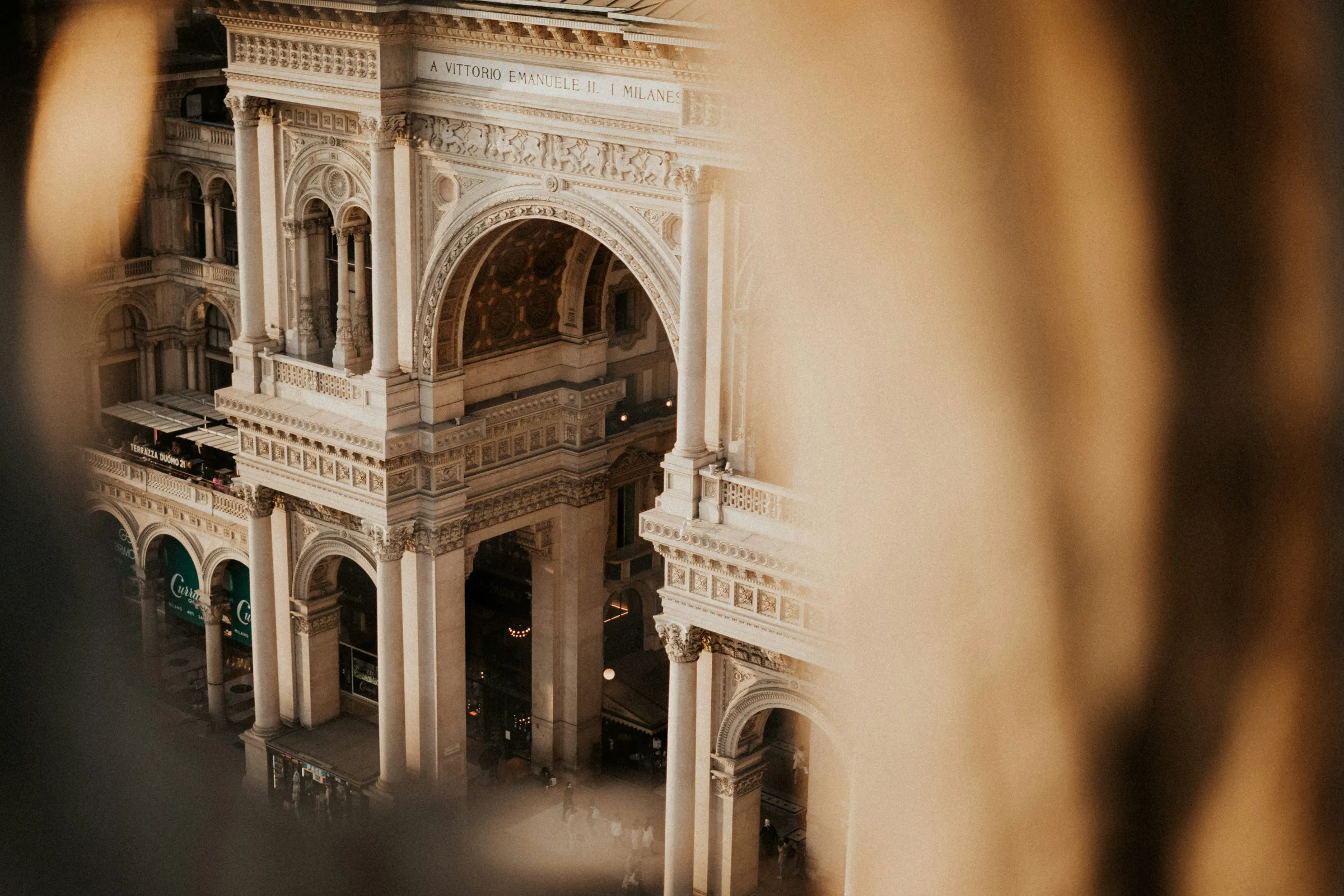
There is no single organisation responsible for this. No creative director overseeing the identity of Italy. Yet collectively these industries, traditions and cultural expressions have created something that many commercial brands spend decades attempting to build: an instantly recognisable and deeply desirable association. Long before a guest books a hotel in Italy, they already have an idea of how they would like to feel when they arrive.
This is what makes the current enthusiasm of international luxury hospitality brands so interesting. Hotel brands spend years developing their own identities, creating recognition and earning trust. Yet in Italy, they are entering a place whose identity is arguably stronger, older and more emotionally compelling than anything they could create themselves.
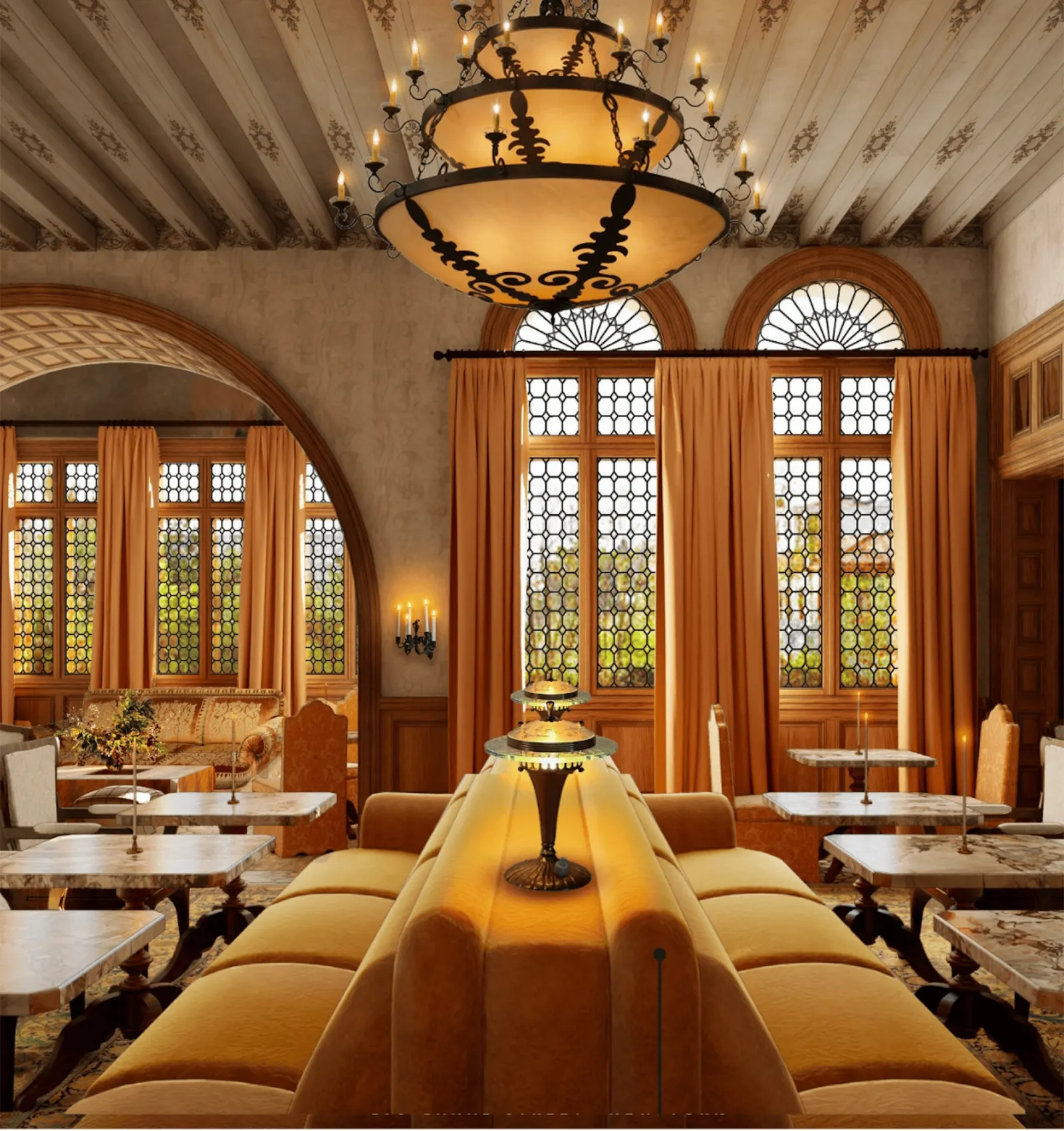
Italy has already captured the guest’s imagination. The challenge for a hotel brand is to understand why, and to create something that genuinely deserves to become part of that story. The opportunity is to understand what has created that desire before deciding what the hotel should become.
There are practical reasons for the growing interest, of course. Italy’s historically independent hotel sector presents opportunities, particularly where significant investment is needed to restore, reposition or operate properties to contemporary luxury standards. International capital and expertise can help make that possible.
But the attraction goes beyond economics. A hotel in Venice, Rome, Milan or Tuscany becomes part of a story that guests already want to experience. So when the destination has already created so much desire, what does the hotel need to add?
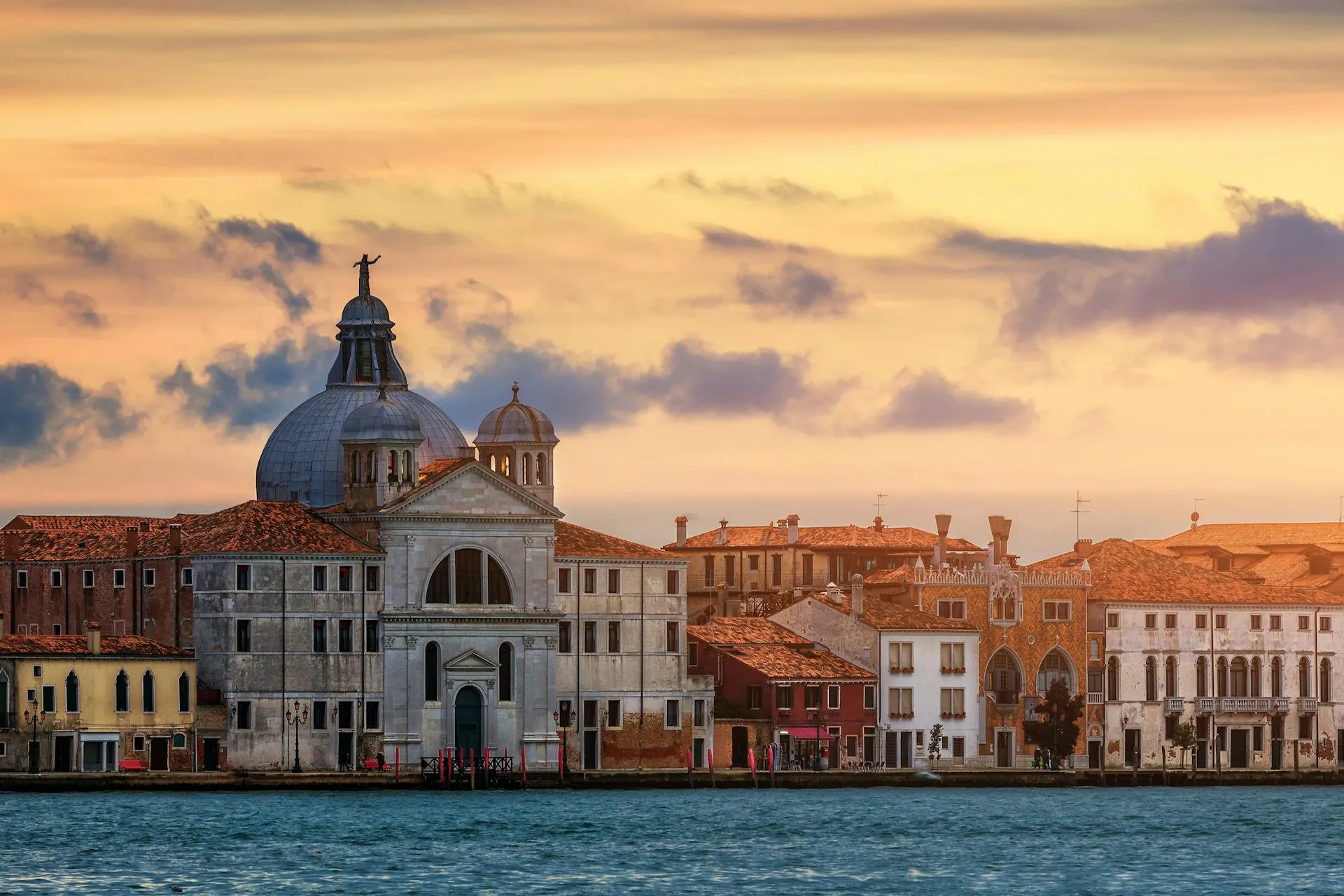
I have thought about this particularly through our work on a small Masseria in Puglia. There is a simplicity to the experience that feels entirely connected to the place. Nothing needs to work too hard to announce its Italian character. It is there in the setting, the food, the atmosphere and the rhythm of the day.
The Masseria also has a beach club nearby, where local people come for lunch at weekends. I like that it is not simply an experience created for hotel guests, but a place that has its own relationship with the life around it.
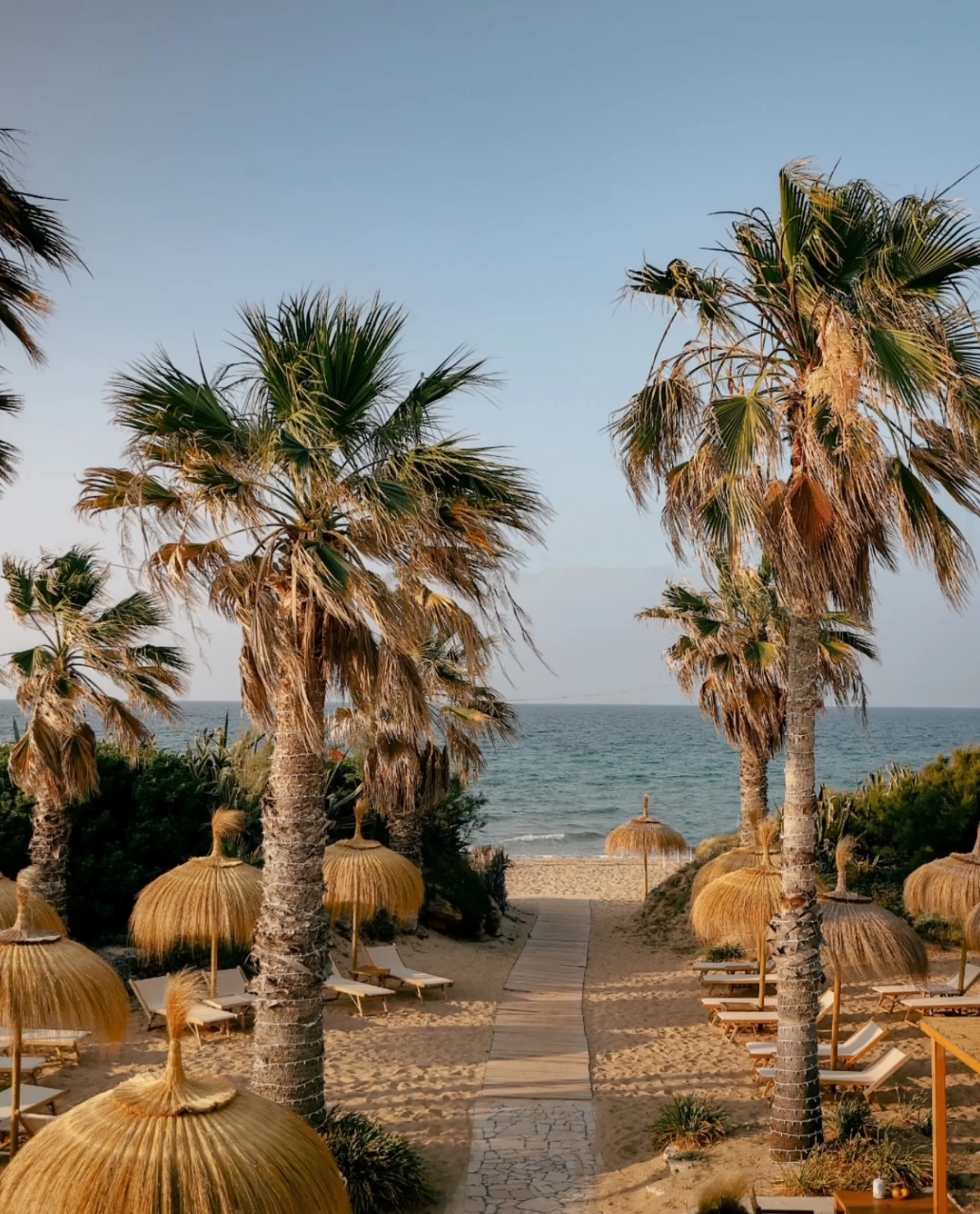
That distinction interests me. A hotel can draw on local architecture, materials, food and traditions and still feel curiously separate from its surroundings. Perhaps the more interesting question is not how convincingly a hotel expresses its location, but whether it has found a genuine place within it.
And this is not particular to small, independent properties. A grand city hotel can become part of its neighbourhood through a restaurant or bar. A resort can develop relationships with local producers and craftspeople. A restored historic building can bring new energy to a place. Each has the possibility of contributing something to its surroundings rather than simply drawing from them.
A hotel cannot declare that it belongs. That has to be earned, through the relationships it builds and the place it comes to occupy in local life. It is something that becomes evident in the way the place is used, experienced and valued.
Of course, guests also come to great hotels for the confidence they provide. The pleasure of knowing that things will be taken care of, that someone understands what you need, and that you can enjoy a destination without having to negotiate every complexity yourself.
A guest may want to discover a small local restaurant one evening and enjoy an exceptional dinner within the hotel the next. They may want to explore a city independently, then return to an environment where nothing requires effort. They may want to feel immersed in Italian life while enjoying the comfort of being exceptionally well looked after.
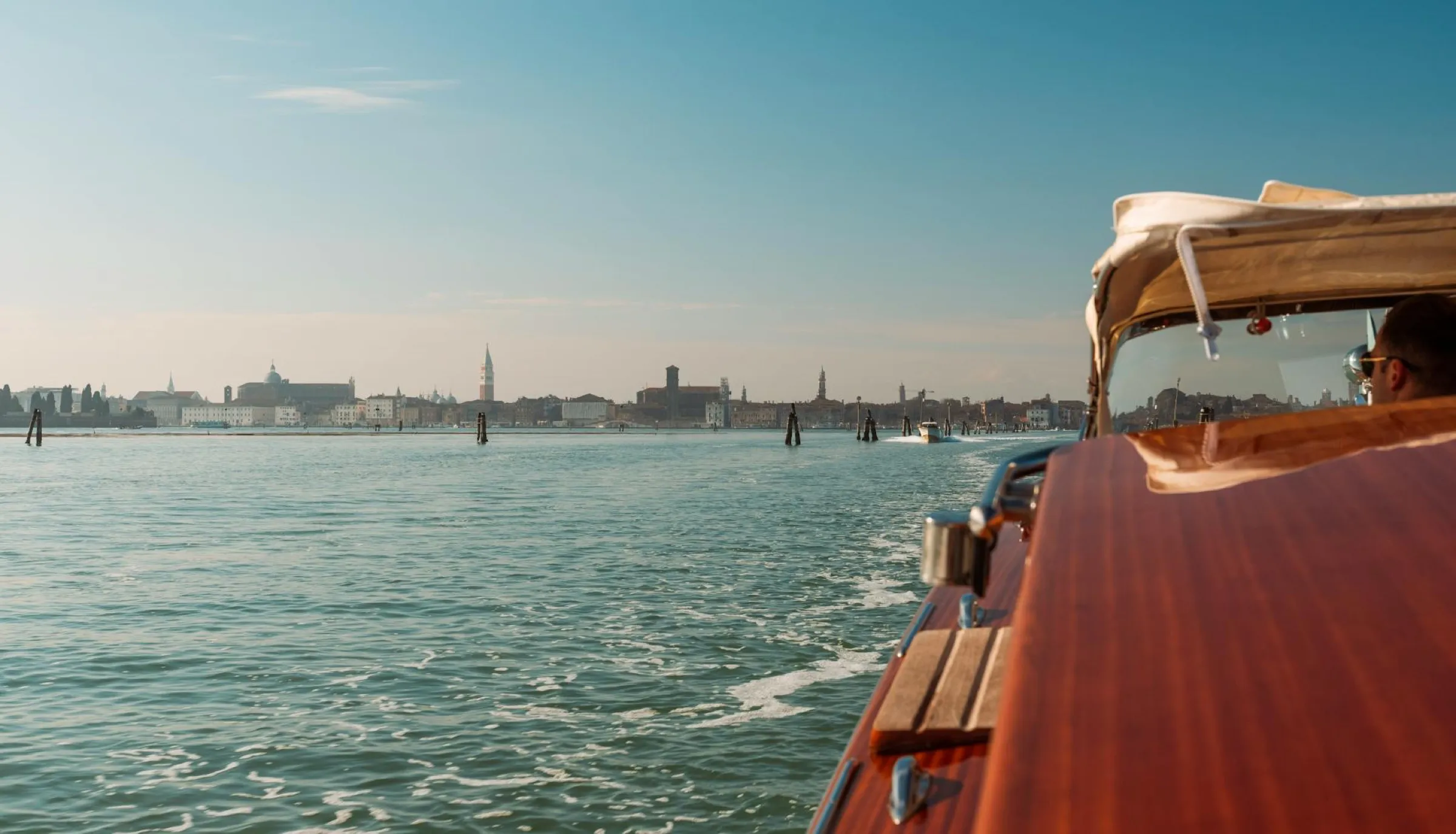
These are not competing ambitions. The best hotels understand that they can be both a part of the destination and a place from which to enjoy it on your own terms.
Much of that understanding comes down to people. No amount of design, investment or brand positioning can entirely determine how a guest should experience a place. The finest hospitality depends on people who understand both the destination and the individual in front of them. Who know when to make an introduction, when to suggest something unexpected and when simply to allow a guest to enjoy their own time.
Italy has been teaching the world about the pleasures of living for generations. Its appeal was never created by luxury hospitality alone.
We already know what Italy can offer our hotels. What can our hotels offer Italy?